


Klarinettenaufnahmen mit Katharina Schreib für das Etalabel-Projekt.
Klarinettenaufnahmen mit Katharina Schreib für das Etalabel-Projekt.
1. Melting Point 5:10
The source sound of the opener is a sinus wave sound out of an old oscillator which i used a lot on my previous album «STILLE». I love the high freuquency sounds. They hurt in the ears. They are heavy and shrill. Kid Schurke told my two years ago, that he is not able to listen to the whole track «Húm», because he is getting dizzy. That is a compliment!
The basic structure was made in 2010, right after finishing «STILLE». I have added sounds of an old typewriter, which i also used for EREMIT and OKO, and added sounds of my squeaking parquet at home captured with different microphones. Transformed everything.
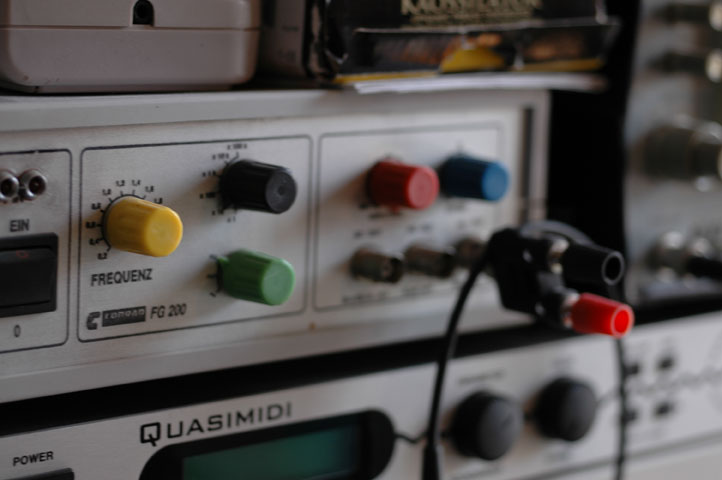
Source:
Exploring new soundscapes
Stan Pete
2. Eremit 8:37
EREMIT and OKO are based on old shots from 2008 made with Reason3. The main synth sound of EREMIT is developed with my patch for Combinator built in 2007. I have called it TP77. That is a shortcut of my old artist name which i used during the first years of Nation of Clang: Tytus Pixiedust and 77 stands for my year of birth. I came up with this sound again in august during a sleepless night while looking for old recordings at my discarted PC and found this recording called Blade Runner. How excited I have been. Some of the TP77 sounds have been used back in the days in Nation of Clang’s «Earth in dust». It is released a few days ago finally :-)

Furthermore i used jazz brushes and scratched an old typewriter and a narrow carpet at the same time, placed a microphone between them and enjoyed the sound coming out, sounding like coal-shoveling down in an old scary mine or if you like – digging a grave! I transformed this sound, too and used it in every track of this album in different ways.
The track develops very slowly. A quiet bassdrum in the background. The listener gets enough space for his own imagination. Weldroid made an automatisation which goes up and down on the 2nd synth layer. It is like acting as if in a trance.
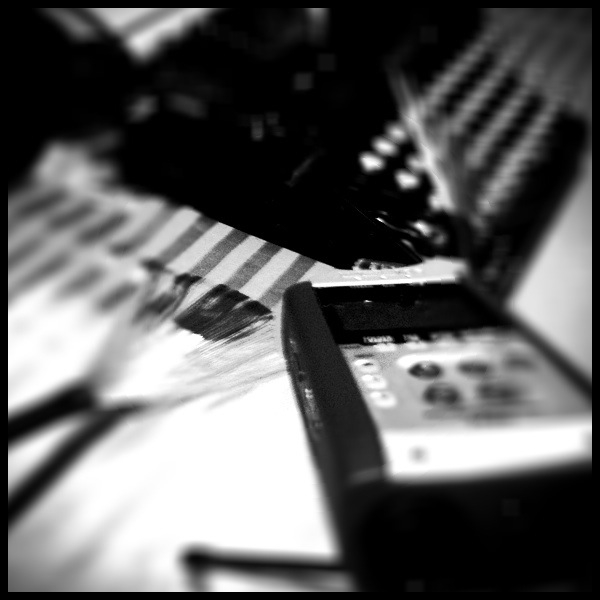
One shot is a transformed sound out of a coffee grinder recording session which i did for John Cage’s Musicircus in Darmstadt (D). It sounds like a crazy DIY toy sound box.
Some soundscapes have been modified with Gleetchlab3 additiolally.
Source:
Preparations
Geigenaufnahmen
Quitschende Kaffeemühle
Orgelaufnahmen
Monochordaufnahmen
Pianoaufnahmen
Celloaufnahmen
Steinfarben
5. Oko 8:26
OKO is the last track of the album. It is the dark epilog. OKO contains the same sounds as all other tracks but transformed again. The soundscapes have been modified with Gleetchlab3 additiolally.

If you need some dark and heavy stuff for the long winter days – this will be your soundtrack :-)
weldroid is mixing and mastering OKO and EREMIT. great view at wavesforms, automations and out of his window in stockholm :-)


Für den «Musicircus», zu Ehren des 100sten Geburtstages von John Cage, an der «Cooperativa Neue Musik», am 9. September in Darmstadt (D), trage ich mit einer Soundcollage meiner alten quietschenden Kaffeemühle bei.
Die Collage besteht aus vier Teilen: Auffüllen der Bohnen, Vormahlen, Mahlen, Zermahlen.
Für die Aufnahmen benutzte ich vier Mikrofone: Zwei Kontaktmikrofone (von Stan Pete gelötet) am Gehäuse der Kaffeemühle und zwei Zoom-Mikrofone im 90° Winkel an der Kurbel.
Zwei Takes – einmal mit leerem Gehäuse und einmal mit Bohnen.
Beim Zusammensetzen der Takes spaltete ich die Spuren voneinander und entfremdete somit das Mahlgeräusch durch das natürliche Phase-Effekt im Teil des Mahlens und Zermahlens. Keine sonstigen Effekte sind hier eingesetzt worden.
Eine zwölf minütige, qietschende Kaffeemühlenperformance zu Ehren Cages.
Sweden based – Electronic Musician, Sound Sculptor, Remixer, Mastering Engineer and Coffee Brewer – Tamás aka Weldroid is the great 8-bit emulation of an electrical engineer, a cgi artist and a coffee connoisseur merged into one person and left alone in the middle of a forest in the middle of a forgotten peninsula built of discarded and ancient electronic devices and lots of copper wire. Some say he once had a prototype that lived in Hungary and actually talked to real people, but that rumor is not very easy to verify….
www.weldroid.net
www.facebook.com/weldroidmusic
PS: These screenshots were taken during Weldroid’s mastering session at STOCKWERK.


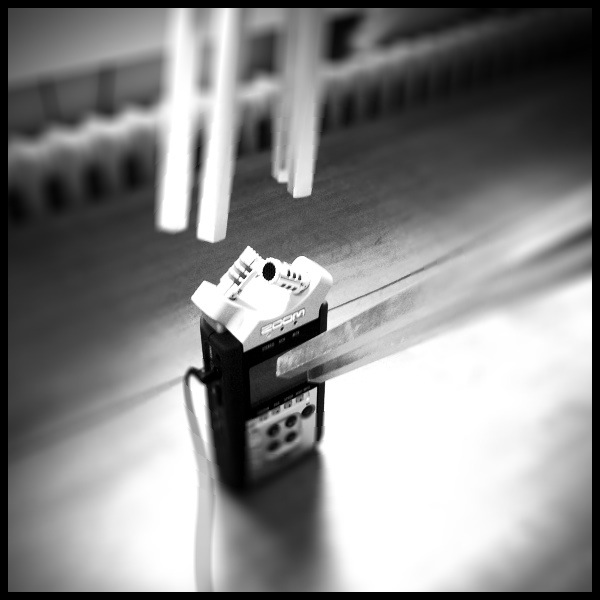


Aufnahmen des Monochords und Stimmgabeln mit Cornelia Stromeyer


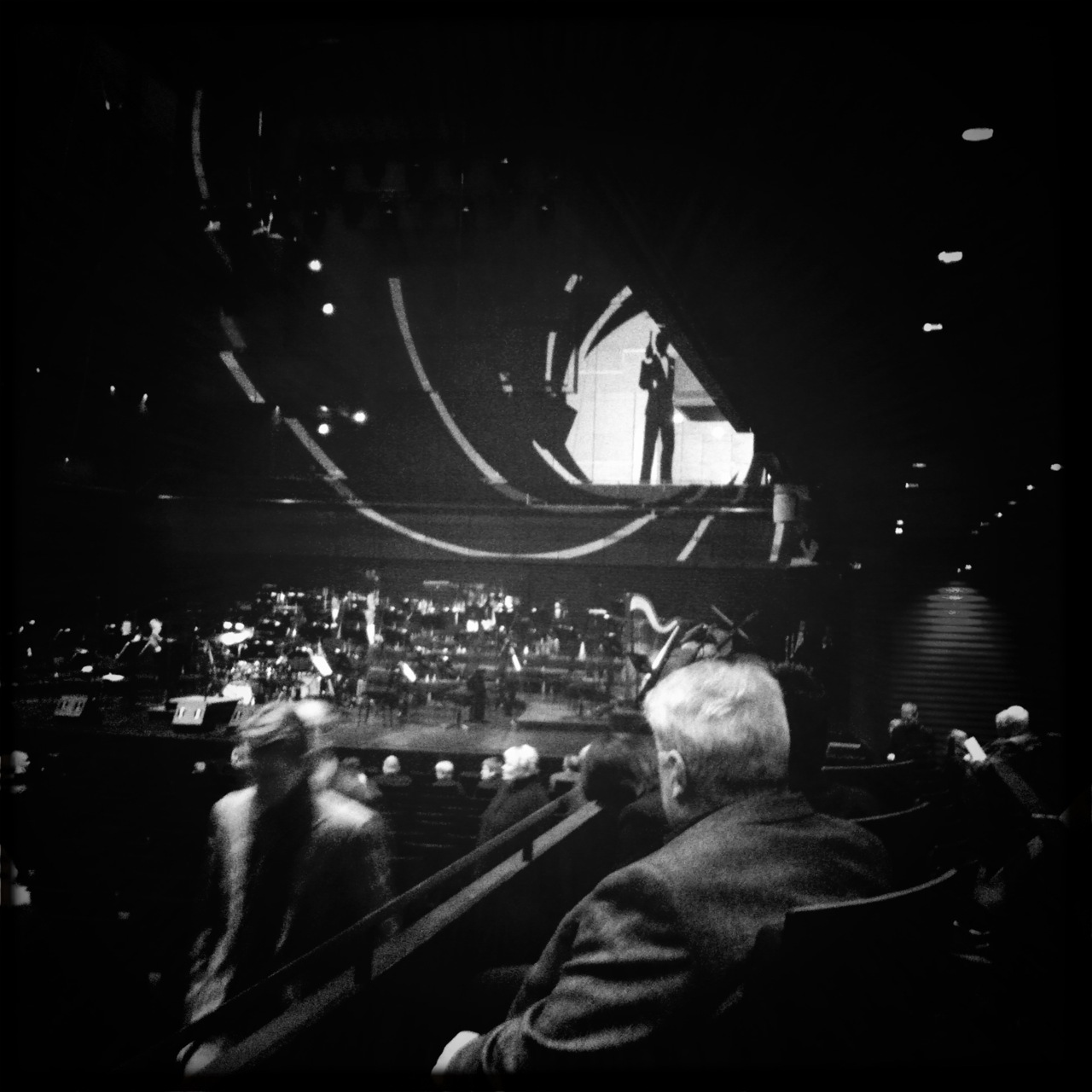


Recordings at Harpa in Reykajvik. Captured warm up session appears at Virlyn’s and my track called «Frost».
Session2 mit Helge
– Fläche: Oberheim DPX1 (Elka Strings) durch MAM Warp Filter, Modulation Envelope Amount
– Athmo: Prophet VS durch Korg Kaosspad3, Modulation Granular Effekt
Was geschieht eigentlich wenn ein Instrument gespielt wird. Einfach gesagt, es macht Musik. Zusammen mit dem Musiker. Da entsteht eine der uraltesten Formen des mit sich Seins, zu deren Vollkommenheit nur ja der Zuhörer nicht fehlen sollte. Der zauberhafte Klang der Geige ist als Beispiel dazu sehr geeignet, man höre selbst. Was aber geschieht, wenn man dazu ein zweites Instrument zwar spielt, ihm aber das verwehrt, womit es die Töne erst erzeugen kann, die man ihm abgewinnen möchte. (Hier ist das die Luft, von der die Kirchen Orgel einigen Bedarf hat.) Dann erzählt das Instrument nicht von den Wünschen eines Komponisten, nichts von der Sehnsucht einer Interpretin. Sondern es erzählt von sich allein. Es erzählt von seinem Innenleben. Vielleicht ein Lob auf seine Bauweise, dass es froh ist, genau so gemacht worden zu sein, und nicht anders. Oder von der Klage darüber, von der Vergeblichkeit anders sein zu wollen.
Die Orgel wird geschlagen, hiess es zu Zeiten Bachs. Doch sie kann wie manches andere Instrument auch gefragt, gebeten, gekitzelt, gelockt, gefordert, was weiss ich gestört werden. Dabei aber hörbar machen, was zu hören nicht gedacht ist, so könnte man das Anliegen dieser Orgelgeräusche umschreiben. Und es wird auffällig, dass gerade diese Absicht, eine Orgel nicht klingen sondern stöhnen oder scharren zu lassen, von der zart gespielten Geige nicht verhindert, sondern unterstützt wird. Fortsetzung nicht verpassen! – Jens Nielsen

